
What is Substance Use?

Substance use refers to the continued use of alcohol, drugs, or the misuse of prescription and over-the-counter medicines, even when it leads to negative consequences. It’s about how these substances can affect your well-being and daily life (Mayo Clinic Staff, 2025)

  • A drug is any substance that produces significant changes in the brain, body, or both (Understanding Drug Use and Addiction DrugFacts, 2018). Please note that this section of the Toolkit will be using “substance” and “drug” interchangeably.

Addiction is defined as a chronic, relapsing disorder characterized by compulsive drug seeking and use despite adverse consequences. It is considered a brain disorder, because it involves functional changes to brain circuits involved in reward, stress, and self-control. Those changes may last a long time after a person has stopped taking drugs (Understanding Drug Use and Addiction DrugFacts, 2018).

Addiction is a lot like other diseases, such as heart disease. Both disrupt the normal, healthy functioning of an organ in the body; both have serious harmful effects, and both are, in many cases, preventable and treatable. If left untreated, they can last a lifetime and may lead to death (Understanding Drug Use and Addiction DrugFacts, 2018).

Withdrawal from a drug refers to the physical and mental symptoms experienced when a person abruptly stops or reduces their use of an addictive substance. These substances can include opiates, opioids, cannabis, nicotine products, and alcohol. The severity and type of withdrawal symptoms vary based on several factors, including the specific substance used, the frequency of its use, and the duration of use. (Withdrawal, n.d.) (What is Alcohol?, 2019).

Alcohol

Alcohol is a chemical substance found in beverages like beer, wine, and spirits. Alcohol is an intoxicating agent that can cause changes in behavior and potentially lead to intoxication or drunkenness when consumed (What is Alcohol?, 2019). Illinois law states that a person must be 21 years of age to legally purchase and consume alcohol.

  • Alcohol is a type of drug called a depressant, also known as “downers”. This type of drug depresses or “slows down” brain and body functions.
  • 33% of people under 21 report consuming alcohol in the past. Most people do wait until they are 21
  • Short Term Effects can be:
  • Feeling of being “drunk”
  • Lower inhibitions, possibly making someone feel relaxed, happy or more talkative
  • Make someone confused or uncoordinated
  • Affect the ability to make decisions
  • Slow down brain and body Functions
  • Effects of alcohol depend on; age, genetics, sex, weight, type of alcohol consumed, how much alcohol is consumed, and how fast the alcohol is consumed.

Potential Harms of Alcohol

  • Bad Choices: Depressants can affect decision-making, causing people to say or do things they normally wouldn’t.
  • Health Risks: Slows all body systems, even your respiratory system, meaning your breathing slows down. Alcohol can cause problems like stomach aches and can even hurt your liver and heart over time.
  • Increased research suggests that drinking alcohol in adolescence may have significant effects on brain function. The earlier people start drinking alcohol, the more likely they are to experience a measurable impact on cognitive functions, memory, and school performance over time, perhaps even into adulthood.
  • Addiction: Some people can become addicted to alcohol, which means they can’t stop drinking even when it’s bad for them.

Harm Reduction Strategies

  • Abstinence – choose not to drink alcohol
  • Do not consume alcohol before age 21
  • Do not ride in cars with people who have been drinking
  • Do not mix alcohol and other substances
  • Know how to recognize alcohol poisoning: CUPS
  • C – Cold, clammy skin
  • U – Unconciousness
  • P – Puking, particularly while passed out
  • S – Slowed or irregular breathing
  • If you notice these signs in a friend, peer, or family member, make sure to call 911 and stay with them until help arrives.

Nicotine (Vapes/E-Cigs, Cigarettes)

Nicotine is a highly addictive chemical compound found in tobacco plants. It is the main reason people become addicted to tobacco products, including cigarettes, cigars, and e-cigarettes. Nicotine acts as a stimulant, affecting the central nervous system by increasing heart rate and blood pressure. (Stanford Medicine , 2025)

Additionally, it triggers the release of dopamine, which produces feelings of pleasure and reinforces the desire to use tobacco. Illinois law states that a person must be 21 years of age to legally purchase and consume nicotine products.

Vaping/E-Cigarettes – Is an electronic delivery system that contains nicotine, often more than in regular cigarettes. These devices are battery powered and fill lungs with chemicals that attach to the inside of lungs, making it hard to breathe. There are around 4,000+ chemicals in vapes that can affect other organs like the heart and lungs and can cause other health problems. The type of smoke produced from vapes/e-cigarettes is an aerosol-based smoke; not a harmless water vapor.

Long Term Effects

  • Irreversible Lung Damage and Disease: Vaping has been linked to acute lung injuries and may increase the risk of developing chronic lung diseases such as asthma, bronchitis, emphysema, and chronic obstructive pulmonary disease (COPD).
  • Popcorn Lung (Bronchiolitis Obliterans): Some e-liquid flavorings contain chemicals like diacetyl, which can cause permanent scarring and damage to the small airways in the lungs.
  • Vaping can lead to dry mouth, a common side effect and some individuals may experience nausea as a result of vaping.
  • Worsening of Existing Respiratory Conditions: For individuals with asthma, vaping can exacerbate symptoms and increase the frequency of asthma attacks.
  • Increased Risk of Heart Failure: Studies have shown a significant correlation between e-cigarette use and a higher risk of developing heart failure.
  • Increased Heart Rate and Blood Pressure: The nicotine in vapes elevates heart rate and blood pressure, which may contribute to an increased risk of cardiovascular disease over time.
  • Arterial Stiffness and Endothelial Damage: Vaping can lead to the stiffening of arteries and damage to the endothelial cells lining blood vessels, both of which are factors in heart attacks and strokes.

Nicotine Addiction

Nicotine is highly addictive, and regular vaping can lead to dependence. Withdrawal symptoms may include irritability, anxiety, difficulty concentrating, and cravings.

In adolescents, exposure to nicotine can negatively affect brain development, impacting memory, attention, and learning. It may also increase the risk of future addiction to other substances.

While research is still evolving, some studies suggest that e-cigarette aerosol may contain chemicals that could potentially increase the risk of lung and bladder cancer. However, conclusive evidence linking vaping to increased cancer risk in never-smokers remains lacking.

Nicotine Pouches

What are oral nicotine pouches?

Pouches are a form of nicotine delivery that are growing in popularity. The product is derived from tobacco and contains nicotine. The pouch is placed between the upper lip (or “upper decky”) or lower lip (“lower decky”) and gums.

What is ZYN?

Zyn is the name of a popular brand of oral nicotine. ZYN are small pillow-like pouches that contain pre-portioned amounts of white nicotine powder. ZYN comes in many flavors, including menthol, spearmint, cool mint, peppermint, wintergreen, citrus, coffee, unflavored, and cinnamon.

ZYN Statistics

In 2023, the NYTS showed a slight uptick to 1.5% of middle and high school students reporting having ever used nicotine pouches. Two studies recently published by the Stanford REACH Lab with data collected in 2021 among a convenience sample of of adolescents, young adults, and adults, showed that 1) ZYN is the most used and concerning oral nicotine pouch, and 2) among those 13-20 years old.

  • 11.1% had ever used a nicotine pouch
  • 6.4% used a pouch in the past 30 days
  • 5.1% used a pouch in the past 7 days

Look Out For

  • ZYN on Social Media & Vocabulary: Terms such as “Zynning,” “Zynnies,” “Zynbabwe,” along with “Zynfluencers,” who are helping to promote ZYN use.
  • Discreet Packaging: The container is similar to mints and icebreakers and are small enough to fit inside a pocket.
  • Concerning Qualities: Nicotine is a highly addictive chemical that is in ZYN pouches. ZYN pouches comes in 3 milligram and 6 milligram pouches.
  • # of Cigarettes in a Pouch: 6 milligram pouch = 2-3 cigarettes

Cannabis (Marijuana)

Cannabis, commonly known as marijuana, refers to the dried leaves, flowers, stems, and seeds of the Cannabis sativa or Cannabis indica plant. It contains various chemical compounds, including tetrahydrocannabinol (THC), which is responsible for its psychoactive effects, and cannabidiol (CBD), which does not produce a high. Cannabis can be consumed in several ways, including smoking, vaping, and ingesting edibles (CDC, 2024).

  • Psychoactive Effects: THC is the primary psychoactive component of cannabis, causing altered senses, mood changes, impaired body movement, and difficulties with thinking and problem-solving (CDC, 2024).
  • Therapeutic Uses: Cannabis and its components, such as CBD, have shown potential for pain relief, control of nausea and vomiting, and appetite stimulation. However, further research is needed to fully understand its therapeutic benefits and potential side effects (CDC, 2024).
  • Medical Use: Medical use is when someone who is using cannabis that was prescribed to them by a doctor. The doctor and patient looked at risks compared to possible benefits and decided cannabis could be a good choice for this situation.
  • Recreational Use: recreational drug use is any time someone is using a drug for a reason other than treating an illness and without guidance from a doctor. In states where cannabis is legal, you must be 21+ years old to buy from a regulated cannabis store called a dispensary.
  • Cannabis Use Disorder: Cannabis can lead to substance use disorder, also known as addiction. It is estimated that around 3 in 10 users may develop this condition (CDC, 2024).

Edibles

What are Edibles?

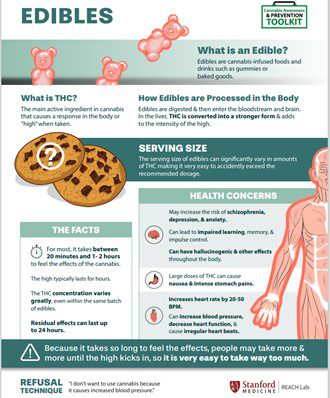
Edibles are cannabis-infused foods and drinks such as gummies or baked goods.

How are edibles processed by the body?

Edibles are digested and then enter the bloodstream and brain. In the liver, THC is converted into a stronger form and adds to the intensity of the high.

What is the serving size for edibles?

The serving size of edibles can significantly vary in amounts of THC making it very easy to accidentally exceed the recommended dosage.
Facts

  • For most, it takes between 20 minutes and 1-2 hours to feel the effects of the cannabis.
  • The high typically lasts for hours.
  • The THC concentration varies greatly, even within the same batch of edibles.
  • Residual effects can last up to 24 hours.
  • Because it takes so long to feel the effects, people may take more and more until the high kicks in, so it is very easy to take way too much.

(Stanford Medicine , 2025)

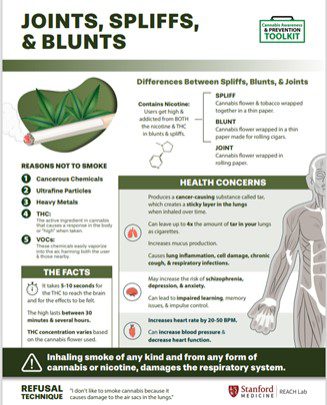
Joints, Spliffs, and Blunts

  • Joints are cannabis flower wrapped in a rolling paper.
  • Spliffs are cannabis flower and tobacco wrapped together in a thin paper.
  • Blunts are cannabis flower in a thin paper made for rolling cigars.

Facts

  • It takes 5-10 seconds for THC to reach the brain and for the effects to be felt.
  • The lasts between 30 minutes and several hours. THC concentration varies based on the cannabis flower used.
  • Inhaling smoke of any kind and from any form of cannabis or nicotine damages the respiratory system.

(Stanford Medicine , 2025)

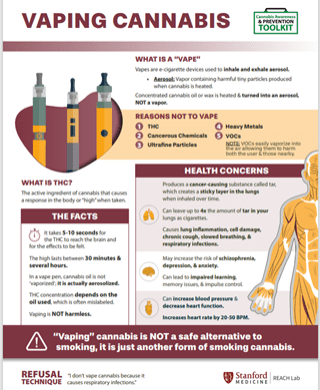
Vaping Cannabis

What is a “vape?”

  • Vapes are e-cigarette devices used to inhale and exhale aerosol.
  • Aerosol: Vapor containing harmful tiny particles produced when cannabis is heated.
  • Concentrated cannabis oil or wax is heated and turned into an aerosol, NOT a vapor.

Facts

  • It takes 5-10 seconds for THC to reach the brain and for the effects to be felt.
  • The high lasts between 30 minutes and several hours. In a vape pen, cannabis oil is not “vaporized”; it is actually aerosolized.
  • THC concentration depends on the oil used, which is often mislabeled. Vaping is NOT harmless.
  • “Vaping” cannabis is NOT a safe alternative to smoking, it is just another form of smoking cannabis.

(Stanford Medicine , 2025)

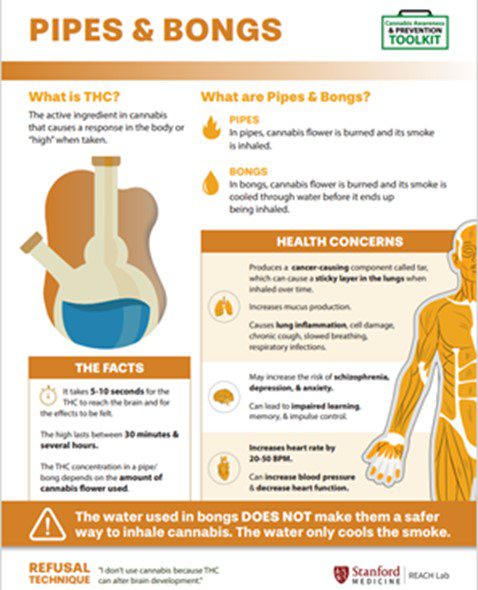
Pipes and Bongs

  • Pipes: Cannabis flower is burned, and its smoke is inhaled.
  • Bongs: Cannabis flower is burned, and its smoke is cooled through water before it ends up being inhaled.

Facts

  • It takes 5-10 seconds for the THC to reach the brain and for the effects to be felt.
  • The high lasts between 30 minutes and several hours. The THC concentration in a pipe/bong depends on the amount of cannabis flower used.
  • The water used in bongs DOES NOT make them a safer way to inhale cannabis. The water only cools the smoke.

(Stanford Medicine , 2025)

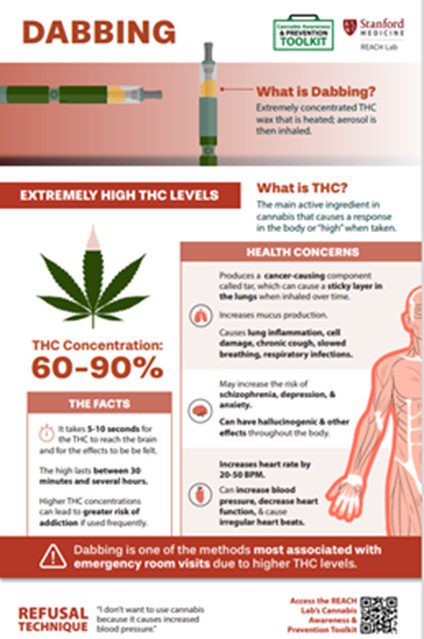
Dabbing

What is dabbing?

Extremely concentrated THC wax that is heated: aerosol is then inhaled.

Facts

  • It takes 5-10 seconds for the THC to reach the brain and for the effects to be felt.
  • The high lasts between 30 minutes and several hours.
  • Higher THC concentrations can lead to greater risk of addiction if used frequently.
  • Dabbing is one of the methods most associated with ER visits due to higher THC levels.

(Stanford Medicine , 2025)

What are some reasons not to smoke?

  • Cancerous Chemicals
  • Ultrafine Particles
  • Heavy Metals
  • THC: Active ingredient in cannabis that causes a response in the body or “high” when taken.
  • VOCs: These chemicals easily vaporize into the air, harming both the user and those nearby.

(Stanford Medicine , 2025)

Health Concerns associated with THC use may include:

  • Increased risk of schizophrenia, depression, and anxiety.
  • Learning impairment, memory issues, and impulse control.
  • Hallucinogenic and other effects throughout the body.
  • Large doses of THC can cause nausea and intense stomach pain.
  • Increased heart rate by 20-50 bpm
  • Increased blood pressure, decreased heart function, and irregular heartbeats.
  • Production of a cancer-causing substance called tar, which creates a sticky layer in the lungs when inhaled over time.
  • THC can leave up to 4x the amount of tar in your lungs as cigarettes.
  • THC causes lung inflammation, cell damage, chronic cough, slowed breathing, and respiratory infections.

(Stanford Medicine , 2025)

Fentanyl

What is Fentanyl?

  • Fentanyl is an opioid drug, similar to morphine and heroin. It is synthesized entirely in laboratories and has no natural ingredients. While it is approved as a prescription pain medication, most of the fentanyl contributing to the current overdose crisis is produced illegally (National Institute on Drug Abuse, 2025)
  • Fentanyl is more potent than many other opioid drugs, and even a small amount can lead to a fatal overdose. This can happen even if a person is unaware they are taking fentanyl, as it may be added to counterfeit prescription pills or other illegal drugs. Using fentanyl test strips can help reduce the risk of consuming drugs that contain fentanyl (National Institute on Drug Abuse, 2025)
  • Fentanyl is also highly addictive. Like other opioids, repeated use alters brain activity, leading individuals to continue using it despite experiencing harmful effects (National Institute on Drug Abuse, 2025).
  • A lethal dose of fentanyl is equivalent to less than a grain of rice.

Please visit the Fentanyl page on the National Institute on Drug Abuse website to learn more. Fentanyl | National Institute on Drug Abuse (NIDA)

Opioids

Opioids are a class of drugs that can have natural, semi-synthetic, or synthetic origins. This drug class includes prescription pain medications like morphine, heroin, and fentanyl. While some of these drugs are prescribed by doctors, they can carry risks of addiction, dependence, and overdose.

Opioids can be prescribed by a healthcare provider to help manage moderate to severe pain. These are commonly prescribed after surgery or to manage pain associated with chronic conditions. (NIDA and OrSt)

The three categories of opioids include:

Natural

Natural opioids come from the seed pod of the poppy plant. Some examples of natural opioids include opium, morphine, codeine, and more. Natural opioids are also referred to as opiates. 

Semi-Synthetic

Semi-synthetic opioids are made in laboratories by chemically processing natural opioids. Examples include heroin, oxycodone, hydrocodone, and more. 

Synthetic (NIDA)

Synthetic opioids are manufactured completely in a laboratory with no natural ingredients. This category includes fentanyl.

All opioids differ in strength or potency. Some may work slightly different than others, which can lead to overdoses and misuse of the drugs. In fact, Fentanyl can be 50-100 times stronger than other opioids. Even a small dose of fentanyl can be fatal.  

How do Opioids Work? (AZ and NIDA)

After opioids are taken, they enter the bloodstream and travel throughout the body and into the brain. Once in the bloodstream these chemicals begin to affect the body.

Nerves work by sending little messengers called neurotransmitters throughout the body. These messengers are chemicals that help tell your brain that you are feeling pain, hunger, joy, and help to regulate your everyday life. Opioids use these pathways to help someone stop feeling pain. Opioids hijack the pathway for these chemicals and cause disruptions of the normal processes. When these pain relief chemicals enter the brain, they mimic the body’s natural pleasure messengers and trick the user into thinking the active behavior is pleasurable and should be done more often. This leads to addiction. The body craves these pleasure chemicals and wants more, leading to misuse of these drugs.

Effects of Opioid Use

Opioid Use can cause the following effects in patients (CDC and JH): Sleepiness, Relaxation, Euphoria, Nausea, Vomiting, Constipation, Slowed breathing, Confusion, Depression, and Overdose.

What is an overdose? (NIDA and OrST)

  • An overdose occurs when someone takes a larger dose of a substance than the body can handle. This can be intentional or unintentional. Opioids affect the brain’s control centers but specifically can slow breathing to a life-threatening level.
  • Signs of an overdose include unconsciousness – or the inability to wake up – pinpoint pupils, cold clammy skin, convulsions, discolored skin, especially fingers and lips, and slow or shallow breathing.
  • Opioid overdoses may be unintentional. Some street drugs may be laced with fentanyl, and very small doses can be deadly. Fentanyl is often mixed in with other drugs and can cause an unintended overdose.

What should I do if I think someone is overdosing on opioids?

  • Call 911
  • Place individual in the recovery position and administer Naloxone (if you have been properly trained).
  • Try to keep the person awake and breathing, if possible.

What is Naloxone?

  • Naloxone, also known as Narcan®, Kloxxado®, Zimhi®, or RiVive®, is an opioid overdose reversal drug. Often sold as a nasal spray, Naloxone is readily available for anyone to receive. This usually requires training, and can be found in the Peoria area here:
  • Naloxone is an “opioid antagonist,” meaning that this medication can remove opioids from the receptors they attach to, while blocking and reversing the effects of the drug. This will rapidly restore breathing and normal body processes. Naloxone does not affect someone who has not taken opioids. Therefore, if you suspect someone is suffering an opioid overdose, you should administer naloxone immediately, even if they are not overdosing on opioids.

The Recovery Position

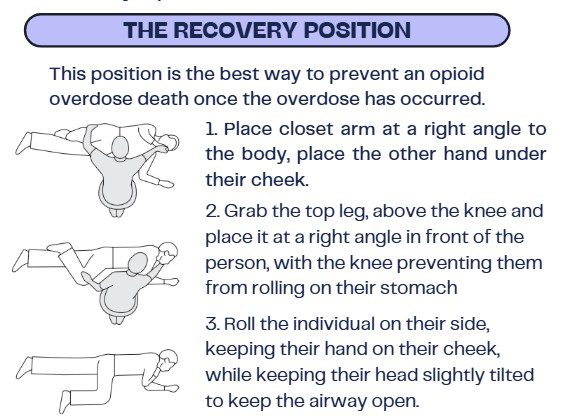
This position is the best way to prevent an opioid overdose death once the overdose has occurred.

  1. Place closest arm at a right angle to the body, place the other hand under their cheek.
  2. Grab the top leg, above the knee and place it at a right angle in front of the person, with the knee preventing them from rolling on their stomach.
  3. Roll the individual on their side, keeping their hand on their cheek, while keeping their head slightly tilted to keep the airway open.
AZ: New on The Conversation: Your body naturally produces opioids without causing addiction or overdose – studying how this process works could help reduce the side effects of opioid drugs | University of Arizona News 

NIDA: Opioids | National Institute on Drug Abuse (NIDA) 

JH: Opioids | Johns Hopkins Medicine 

CDC: About Prescription Opioids | Overdose Prevention | CDC 

Naloxone: Naloxone DrugFacts | National Institute on Drug Abuse (NIDA) 

How to reduce Drug Harms

  • Don’t use
  • If using, the best option is to STOP using.
  • If using, consider cutting down
  • Gain drug knowledge
  • Know drug policy

Drug and Alcohol Resources For Teenagers

Truth Initiative

Texting Only

A free, easy way to quit smoking and vaping with personalized tips, support, and an online community.

  • Custom quit plans
  • Help with cravings and withdrawal
  • Track your progress anytime
  • Support for quitting cigarettes and vaping

My Life My Quit

Texting, Phone Calls, and/or Online Chat Only

Free coaching from people who get it. Get one-on-one help via text, phone, or online chat.

  • Confidential support
  • Personalized quit plans
  • Tips for handling cravings
  • Info on vaping and tobacco effects
  • Support wherever you need it

Not On Tobacco

Online Self-Paced Program Only

Not On Tobacco (N-O-T) is a free program with eight interactive online sessions which can be completed at least five days apart.

  • Quit vaping and tobacco
  • Learn skills to handle cravings
  • Get peer support and guild confidence
  • Create a personalized quit plan

Tri-County Substance Use Resources

Toolkit Research Resources